Ask ten chefs in Perth which chicken cut they can’t live without and you’ll get at least four different answers. The right cut depends on what’s on your menu, how much prep time you’ve got and what your customers are willing to pay. Here’s a plain-English rundown of the main cuts we supply and where each one earns its place.
Thigh fillet
If we had to pick one cut for most commercial kitchens, it would be thigh. It’s forgiving. It stays juicy even if it sits on the grill a minute too long, and it holds up well in curries, stir-fries, souvlaki and kebabs. It’s a favourite with Asian and Middle Eastern restaurants for good reason.
Thigh fillet also comes diced, which can save a lot of knife work on a busy prep shift. If labour is your biggest cost, it’s worth comparing the price of diced against the time your team spends cutting.
Breast fillet
Breast is lean, quick to cook and easy to portion evenly, which is why it’s the backbone of the pub schnitzel and the parmi. It’s also the go-to for salads, wraps and anything sliced. The catch is that it dries out if it’s overcooked, so it suits kitchens with consistent timing.
Skin-on breast is worth a look if you’re doing a plated dish and want a crisp finish. Skin-off is the standard for crumbing and slicing.
Tenderloins
The small strip under the breast. Tenderloins are naturally portion-sized, so they’re handy for kids’ meals, chicken strips and tenders, and quick stir-fries. Very little trimming needed.
Maryland
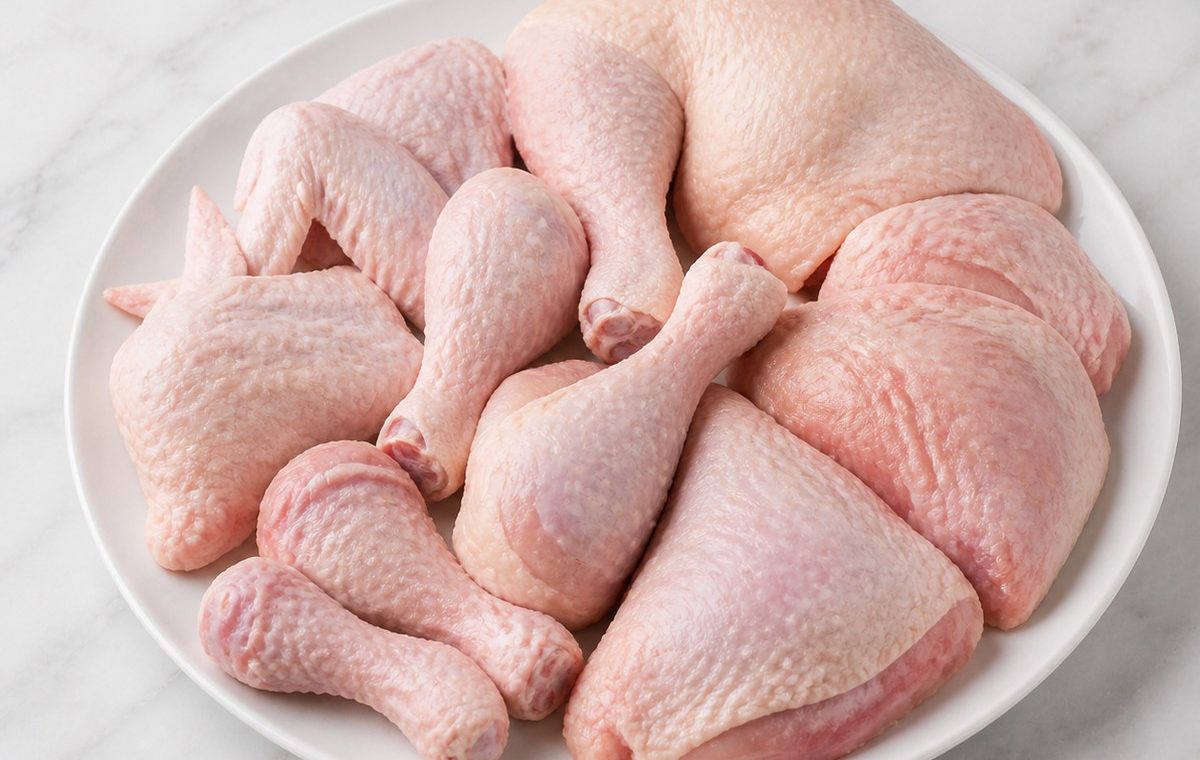
A maryland is the thigh and drumstick still joined together. It’s a big, generous piece that looks good on the plate and roasts or barbecues well. We supply it in a few sizes, plus skin-on and skin-off fillet versions if you want the same cut without the bone.
Drumsticks, wings and nibbles
These are the cuts that sell by the basket. Bone-in cuts like drumsticks, wings, winglets and nibbles are popular with takeaways, sports clubs and bar menus. They’re cheaper per kilo than fillet, cook well in a fryer or oven, and handle sauces and marinades well.
Whole birds
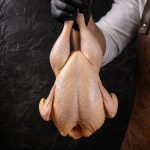
If you’re running a charcoal chicken shop or a rotisserie, whole birds by size are the obvious choice. Some kitchens also buy whole birds and break them down themselves to get breast, legs and frames from one product. It takes skill and time, but it can work out well if you use every part.
Frames, necks and offal
Don’t overlook the bits. Frames and necks make excellent stock, and a good stock is the base of a lot of dishes. Livers suit pâté and pan-fried dishes, and feet are in demand for some Asian menus. Our offal and bones range covers the lot, and it’s also popular with pet food makers.
Free range or standard?
We supply both. Free range costs more, so most of our customers use it where it matters to their diners, such as a menu that names it, or a butcher’s counter where shoppers ask. Standard chicken does the job for most everyday dishes. Have a look at our free range range if it’s something you’re weighing up.
Still not sure?
Tell us what’s on your menu and roughly how much you go through each week, and we’ll suggest cuts and pack sizes that make sense. We deliver across Perth metro and to regional WA. Request a quote and one of our team will be in touch.